
EEG Knowledge Hub
Full articles on epilepsy, EEG testing, critical care and living well. Choose a topic to read.
Frequently Asked Questions
Answers to common questions about epilepsy and seizures. Understanding epilepsy can feel overwhelming, especially after a new diagnosis.
Epilepsy basics
Can stress cause epilepsy?
No. Stress does not cause epilepsy, but it can trigger seizures in some people who already have epilepsy. Learning stress management techniques may help reduce seizure triggers.
Is epilepsy hereditary?
Sometimes. Certain types of epilepsy are influenced by genetics, while others result from injuries, infections, strokes, or other medical conditions. Having a family member with epilepsy does not necessarily mean you will develop it.
Can I drive if I have epilepsy?
In many cases, yes. Driving regulations vary depending on local laws, seizure type, length of seizure freedom, and medical recommendations. Always follow the guidance of your healthcare provider and local licensing authority.
Is it safe to exercise?
For most people, absolutely. Regular exercise can help improve physical health, mood, sleep quality, and overall well-being. Speak with your healthcare provider about activities that are appropriate for your situation.
Can I play sports?
Many individuals with epilepsy successfully take part in sports and recreational activities. Certain activities may require additional supervision or safety precautions, particularly if seizures are not fully controlled.
Can epilepsy affect memory?
Some people may experience memory difficulties because of certain seizure types, frequent seizures, medication side effects, or underlying neurological conditions. Not everyone with epilepsy experiences memory problems.
What happens if I forget my medication?
Missing medication can increase the risk of seizures. Follow the instructions provided by your healthcare provider, contact them if you are unsure what to do, and do not double doses unless specifically advised.
Can lack of sleep cause a seizure?
Yes. Sleep deprivation is one of the most common seizure triggers for people with epilepsy. Maintaining healthy sleep habits is an important part of seizure management.
Treatment & outlook
Is epilepsy curable?
Some forms of epilepsy may resolve over time, while others require ongoing treatment. Many people achieve long-term seizure freedom, excellent seizure control, or a significant reduction in seizure frequency.
Can I have a normal life?
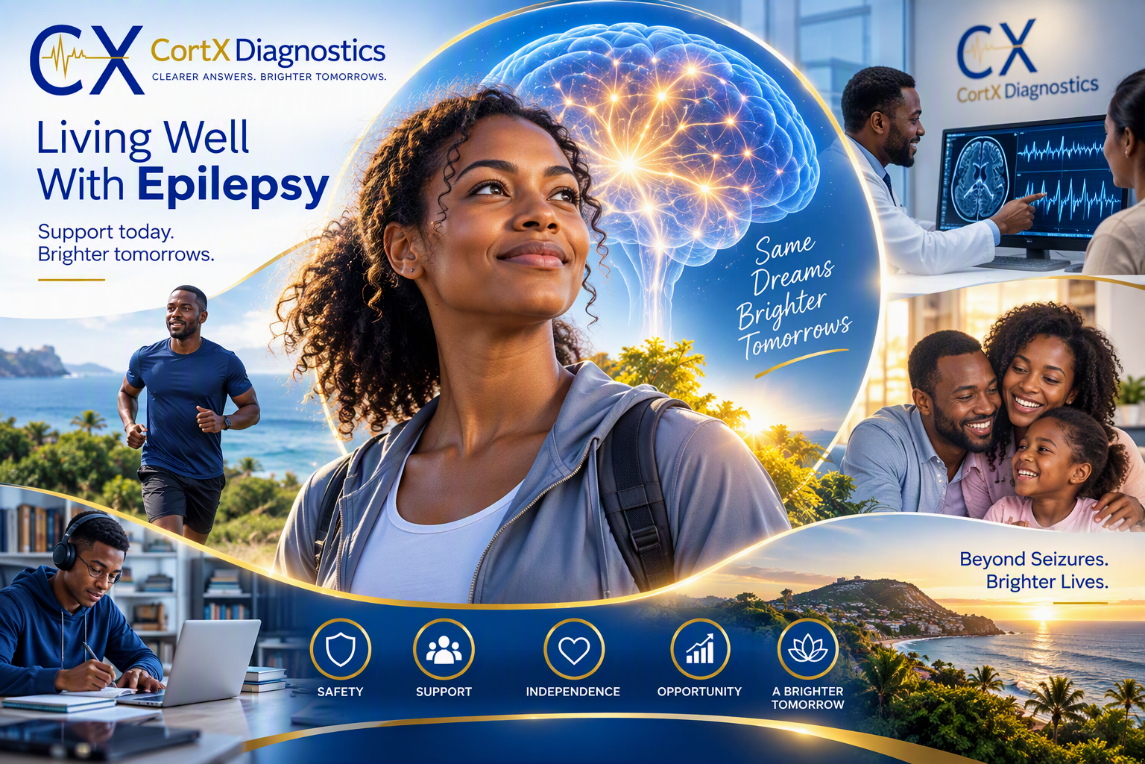
Yes. Many people living with epilepsy attend school and university, build careers, raise families, travel, play sports, and enjoy active social lives. With proper diagnosis and treatment, most people with epilepsy can lead fulfilling and productive lives.
When should I seek medical evaluation?
Consider seeking medical evaluation for a first-time seizure, unexplained blackouts, episodes of lost awareness, recurrent staring spells, unusual involuntary movements, or suspected seizures during sleep. Early evaluation may lead to earlier diagnosis and treatment.
Will I need medication forever?
Not necessarily. Some people remain on medication long-term, while others may eventually reduce or stop medication under specialist supervision.
Can surgery cure epilepsy?
For carefully selected patients, surgery may eliminate seizures or substantially reduce them.
If my EEG is normal, does that mean I am cured?
No. EEG results are only one part of the overall clinical picture. Your healthcare provider will consider symptoms, history, imaging, and EEG findings together.
Sleep & seizures
What is a nocturnal seizure?
A nocturnal seizure is a seizure that occurs during sleep. Many people are unaware they are having them until someone witnesses an event or symptoms are investigated.
What are signs of seizures during sleep?
Possible signs include tongue biting, waking confused, bed wetting, unexplained injuries, morning headaches, and excessive daytime sleepiness.
Why would my doctor order a sleep EEG?
Some seizure-related abnormalities are easier to detect during sleep than while awake.
What is a sleep-deprived EEG?
A sleep-deprived EEG records brain activity after reduced sleep, which may increase the likelihood of detecting abnormalities.
Can treating sleep problems improve seizure control?
In some patients, improving sleep quality may help reduce seizure frequency and support overall neurological health.
Coma, critical illness & silent seizures
Why would someone in a coma need an EEG?
When a patient cannot communicate, an EEG helps doctors understand what is happening in the brain and detect problems that would otherwise be invisible.
Can a person have seizures while unconscious?
Yes. Some critically ill patients experience seizures without obvious physical signs. These are often only detected through EEG monitoring.
Is EEG monitoring painful?
No. EEG monitoring is painless and non-invasive. The electrodes simply record brain activity.
How long does critical-care EEG monitoring last?
Monitoring may last several hours or several days, depending on the clinical situation.
What is a silent seizure?
A silent seizure produces little or no visible physical symptoms. The abnormal electrical activity occurs in the brain but may only be detectable through EEG. A person may appear awake but be confused, unable to respond appropriately, or unaware of what is happening.
Are silent seizures dangerous?
They can be. If prolonged or untreated, seizure activity may interfere with brain function and recovery. EEG monitoring is often the most effective way to detect them.
Can silent seizures occur in people without epilepsy?
Yes. Silent seizures may occur in critically ill patients who have never previously been diagnosed with epilepsy. Critical illness, stroke, brain injury, infection, and cardiac arrest may increase the risk.
Brain health
What are some warning signs that I should see a neurologist?
Seek medical evaluation for unexplained blackouts, repeated confusion, new seizure-like episodes, sudden memory problems, unexplained weakness, or loss of consciousness.
Can lifestyle choices affect brain health?
Yes. Regular exercise, good sleep, healthy blood pressure, diabetes management, and avoiding smoking all support brain health.
Is occasional forgetfulness normal?
Mild forgetfulness can occur with aging, stress, and lack of sleep. Persistent or worsening memory problems should be evaluated.
Can brain injuries increase seizure risk?
Yes. Some seizures occur after traumatic brain injury, stroke, or other neurological injuries.
Still have questions?
Epilepsy affects every individual differently. If you have concerns about seizures, epilepsy, or unexplained neurological events, speaking with a qualified healthcare provider is the best place to start. You can contact CortX Diagnostics or one of our partners.
Health Information Disclaimer
The information provided by CortX Diagnostics is for general educational and informational purposes only. It is not a substitute for professional medical advice, diagnosis, treatment, or individualized clinical assessment. It is designed to support general awareness and understanding of epilepsy, seizures and EEG testing.
The information presented on this website, including information concerning medical conditions, symptoms, treatments, medications, neurological conditions, seizures, critically ill patients, and other health-related subjects, is not intended to replace professional medical advice, diagnosis, treatment, or individualized clinical assessment.
Health information, research, and statistics may change over time and may not apply to every individual. Always consult an appropriately qualified healthcare professional regarding your specific health or care needs.
In an emergency, contact your local emergency medical service immediately.
Scope of educational materials
Educational materials on this website do not authorize caregivers, health care aides, students, or other individuals to diagnose, treat, or perform procedures outside their training, authorization, or legal scope of practice.
Accuracy and updates
CortX Diagnostics may revise, update, add, or remove website content as information, research, professional standards, and clinical guidance evolve. We encourage readers and healthcare workers to verify important clinical information against current professional guidelines and to seek advice from an appropriately qualified healthcare professional when making decisions concerning patient or client care.
Acceptance of this disclaimer
By using this website, you acknowledge that the information provided is intended primarily for educational and general informational purposes and that you are responsible for seeking appropriate professional advice for your individual circumstances.
CortX Diagnostics is committed to providing evidence-informed educational resources that support safe, compassionate, and informed care.