
EEG Knowledge Hub
Full articles on epilepsy, EEG testing, critical care and living well. Choose a topic to read.

Understanding Epilepsy
What epilepsy is, how it is diagnosed, warning signs to watch for, and why early diagnosis matters.
Read the article: Understanding Epilepsy →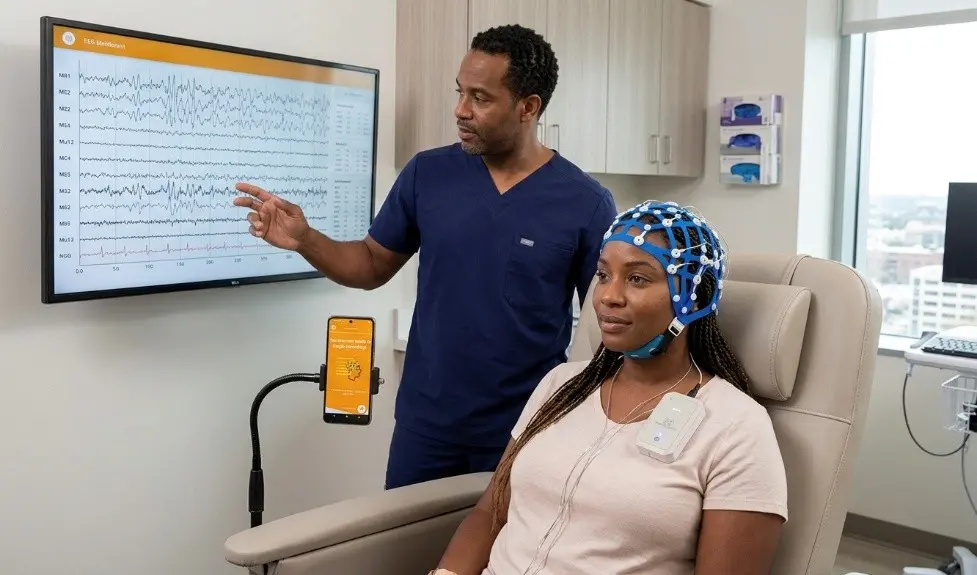
EEG Preparation Checklist
How to prepare for your EEG: before your appointment, what to bring, what happens during and after the test, and common questions.
Read the article: EEG Preparation Checklist →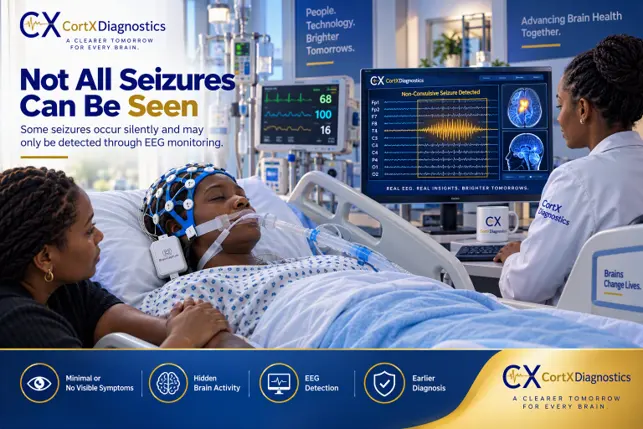
Non-Convulsive Seizures (Silent Seizures)
Seizures without visible shaking: who is at risk, why they are hard to detect, NCSE, and why EEG is essential.
Read the article: Non-Convulsive Seizures (Silent Seizures) →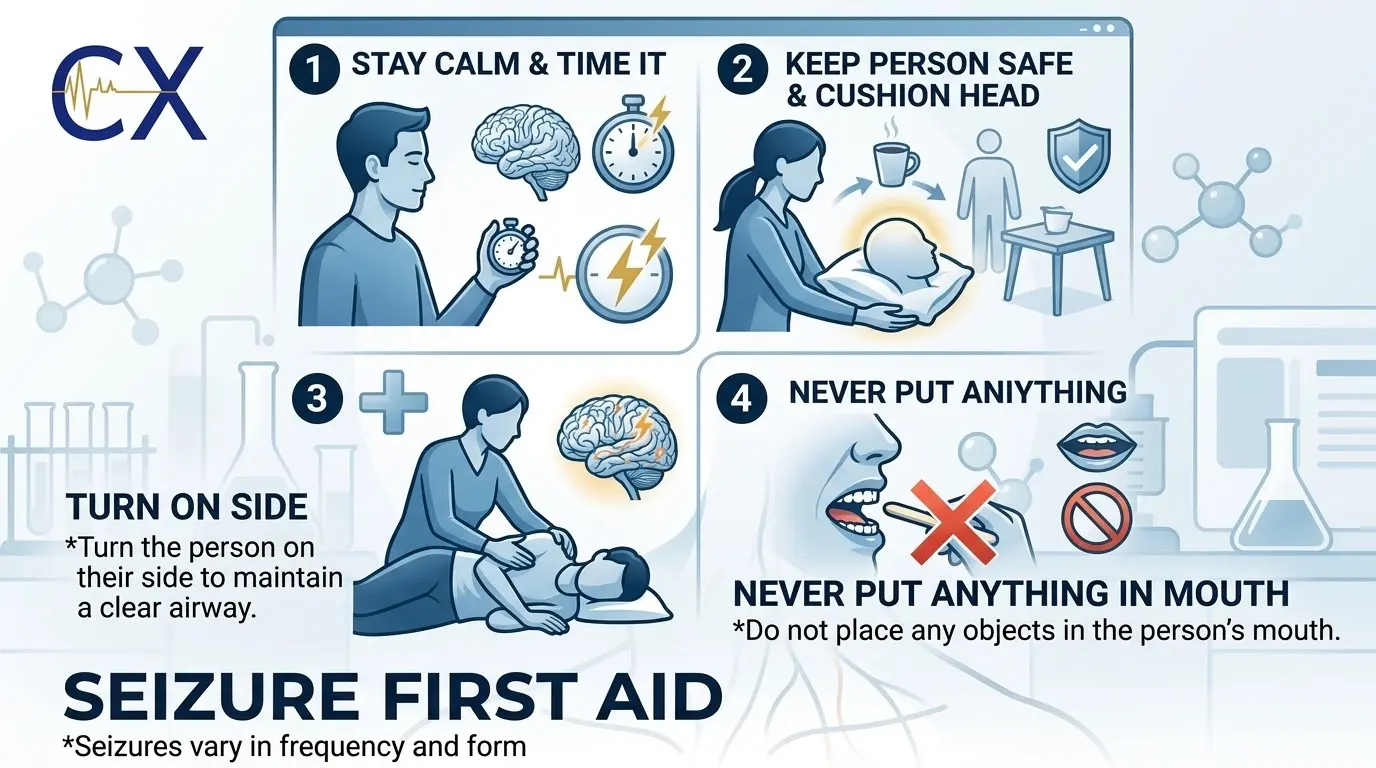
Seizure First Aid: What To Do
Simple, practical steps to help someone during a seizure, and when to call for emergency help.
Read the article: Seizure First Aid: What To Do →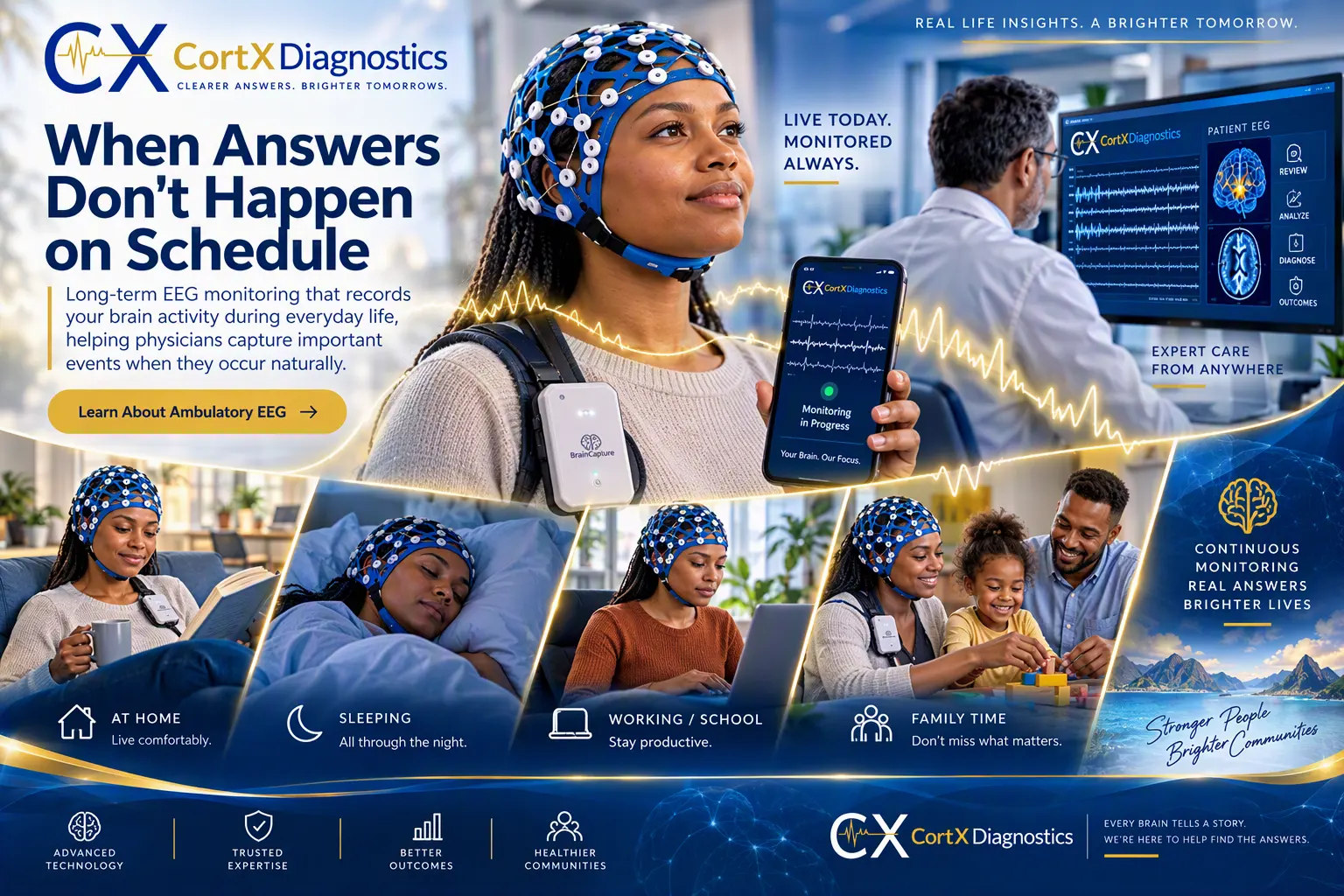
Sleep and Seizures
How sleep affects seizures, nocturnal seizures, sleep disorders, sleep EEG testing, and tips for better sleep.
Read the article: Sleep and Seizures →Ambulatory EEG Monitoring in Barbados & Saint Lucia
How extended EEG monitoring records brain activity during normal daily life, sleep, and symptoms that may not occur in a clinic.
Read the article: Ambulatory EEG Monitoring in Barbados & Saint Lucia →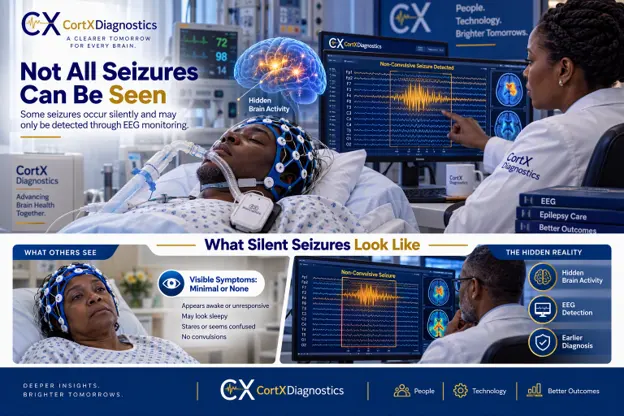
Silent Seizures in Critically Ill & Comatose Patients
How EEG detects hidden seizure activity in critically ill, unconscious, sedated, or comatose patients.
Read the article: Silent Seizures in Critically Ill & Comatose Patients →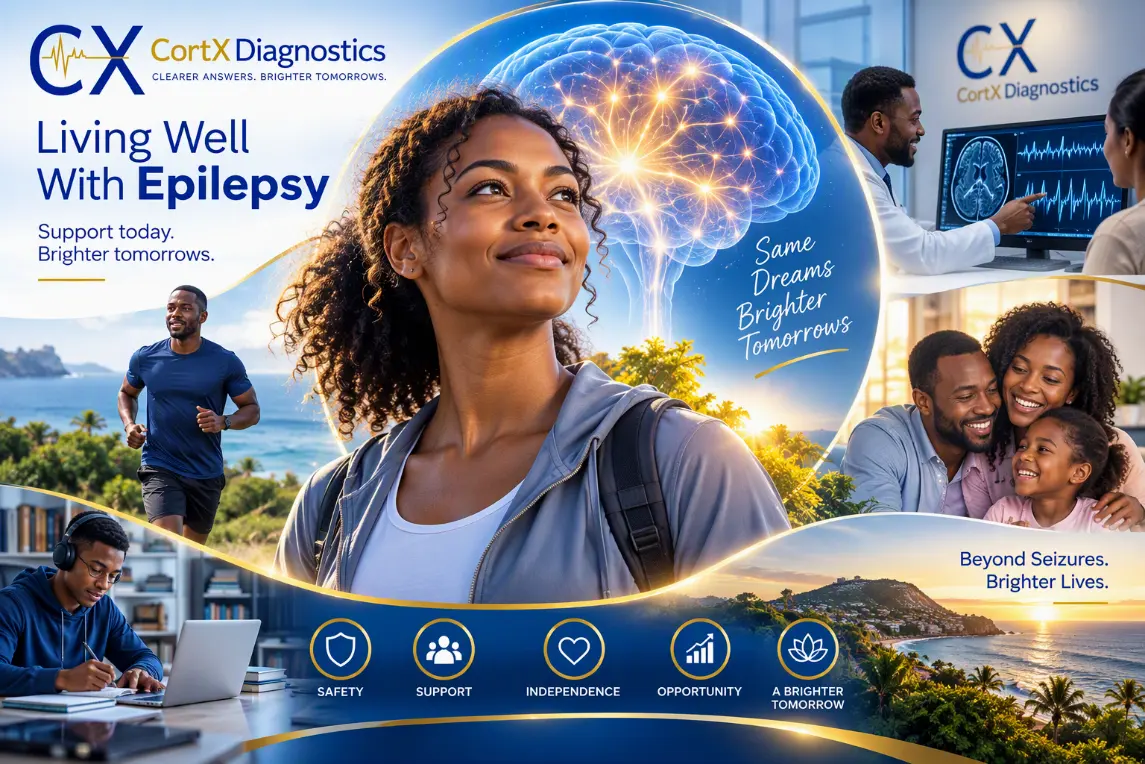
Complications & Living with Epilepsy
Understanding risks, driving, water safety, mental health, medication side effects, and building a seizure safety plan.
Read the article: Complications & Living with Epilepsy →What Causes Epilepsy?
Explore structural, genetic, metabolic, autoimmune, infectious, and unknown causes of epilepsy.
Read the article: What Causes Epilepsy? →Understanding Your EEG Results
Learn what normal and abnormal EEG findings may mean, how reports are interpreted, and what questions to discuss with your provider.
Read the article: Understanding Your EEG Results →Women's Epilepsy & Hormonal Health
How hormones, menstrual cycles, pregnancy, breastfeeding, contraception, and menopause may relate to epilepsy care.
Read the article: Women's Epilepsy & Hormonal Health →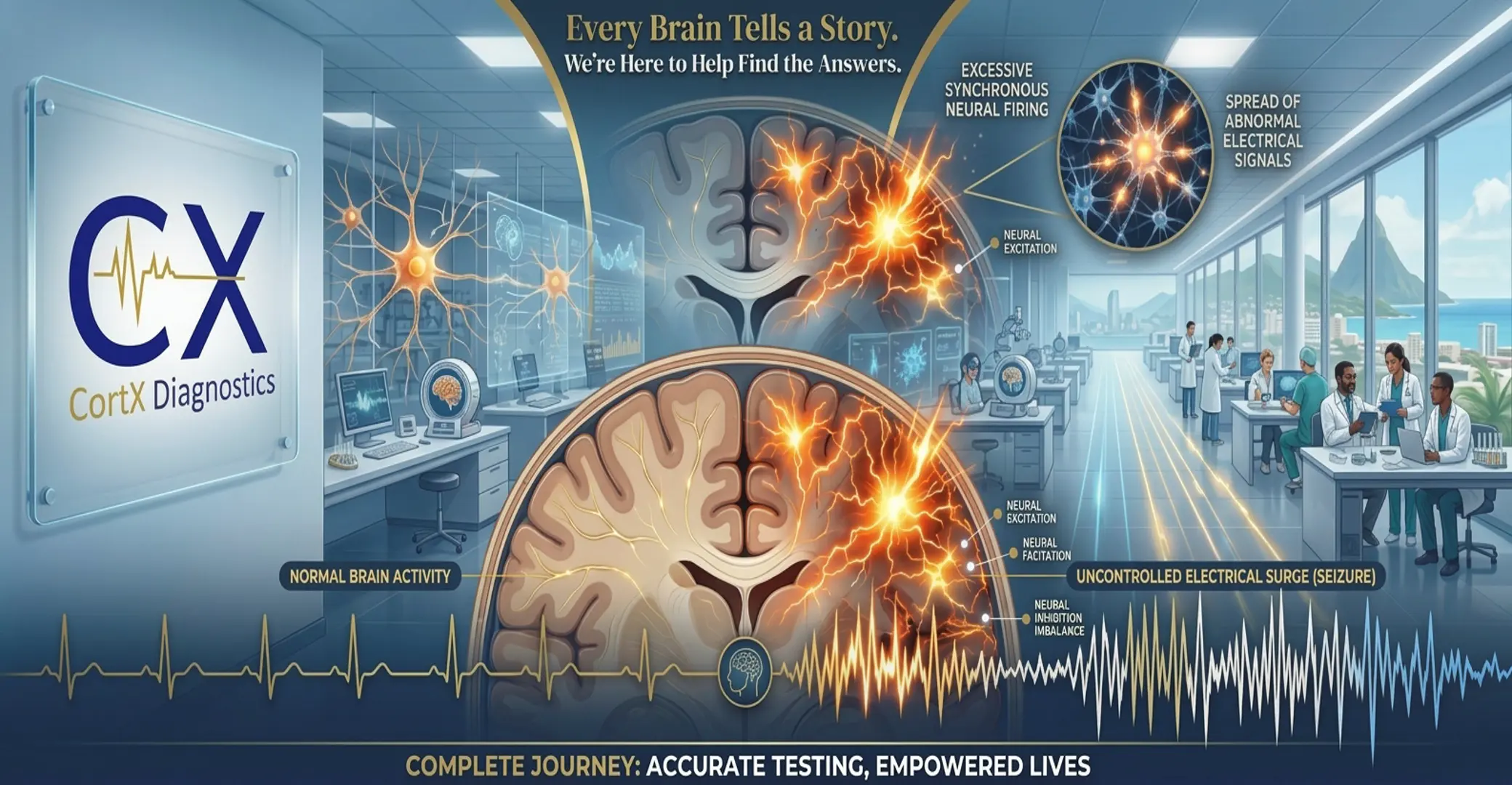
Understanding Seizures
Learn what seizures are, how they differ from epilepsy, seizure phases and types, and why accurate diagnosis matters.
Read the article: Understanding Seizures →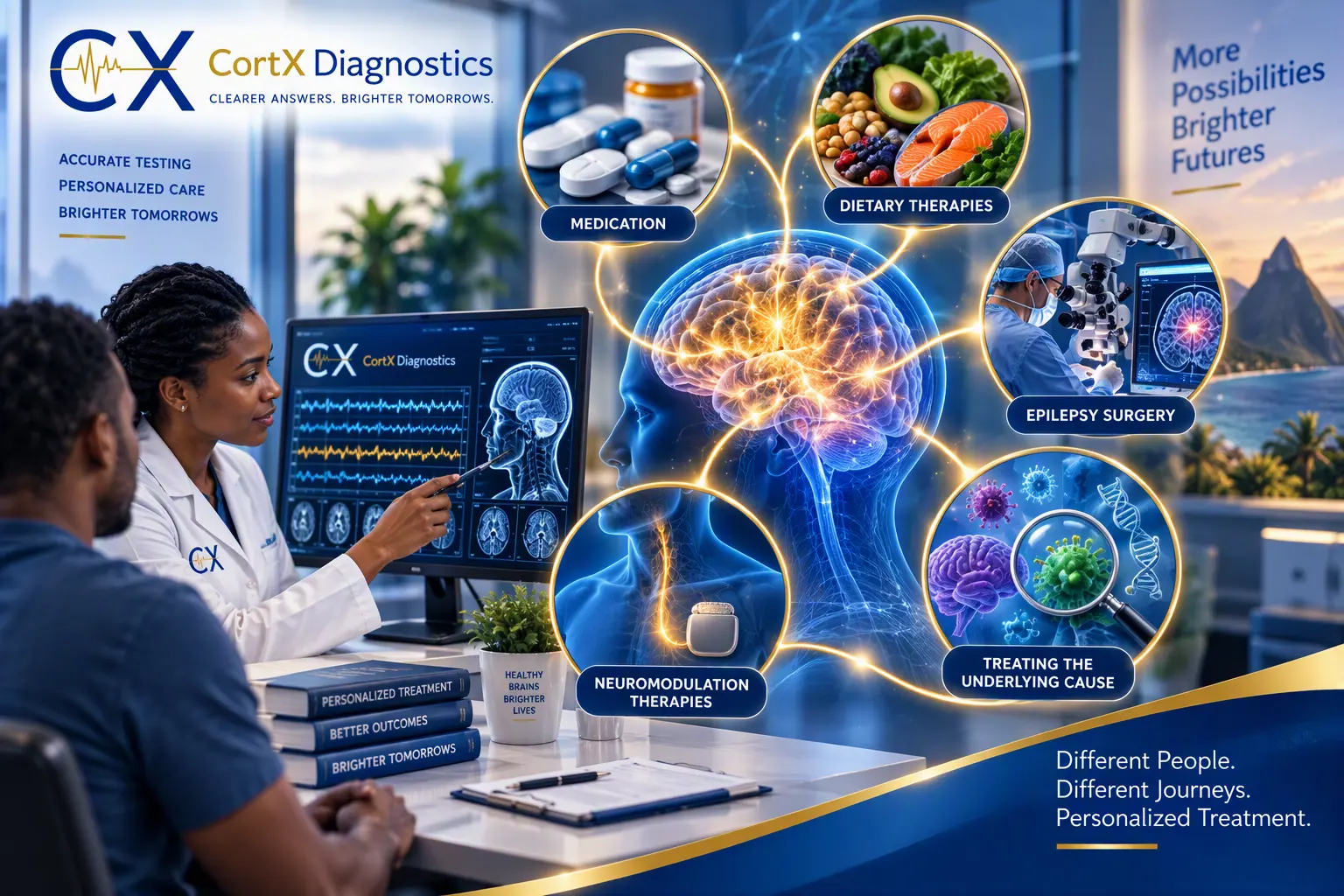
Treatment Options for Epilepsy
A practical overview of individualized epilepsy treatment, medications, diets, surgery, neurostimulation, and ongoing monitoring.
Read the article: Treatment Options for Epilepsy →Understanding EEG Testing
What EEG testing records, why it is performed, the main EEG study types, and what patients can expect.
Read the article: Understanding EEG Testing →Epilepsy Syndromes, Rare Epilepsies & DEEs
An overview of key epilepsy syndromes, rare epilepsies, and developmental and epileptic encephalopathies.
Read the article: Epilepsy Syndromes, Rare Epilepsies & DEEs →Referring Physician Portal
Clinical EEG referral information for physicians and healthcare providers in Barbados and Saint Lucia.
Read the article: Referring Physician Portal →Seizure Triggers
Common circumstances that may lower seizure threshold, safety risks and complications, and long-term outlook.
Read the article: Seizure Triggers →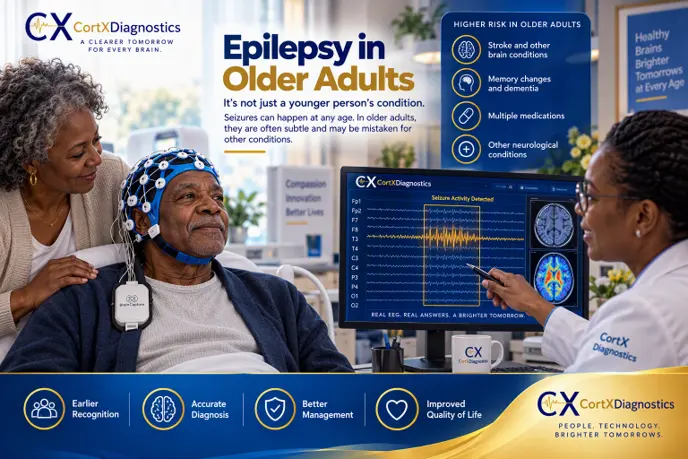
Epilepsy in Older Adults
Recognizing later-life seizures, common causes, the role of EEG testing, and treatment considerations for older adults.
Read the article: Epilepsy in Older Adults →Epilepsy in Children
Recognizing childhood seizure signs, common epilepsy syndromes, and ways families and schools can support children.
Read the article: Epilepsy in Children →Epilepsy Facts, Myths, and Statistics
Key epilepsy facts, treatment statistics, common myths, and practical seizure first-aid guidance.
Read the article: Epilepsy Facts, Myths, and Statistics →Can Epilepsy Be Cured?
What seizure freedom means, long-term outcomes, and treatment pathways when medications do or do not fully control seizures.
Read the article: Can Epilepsy Be Cured? →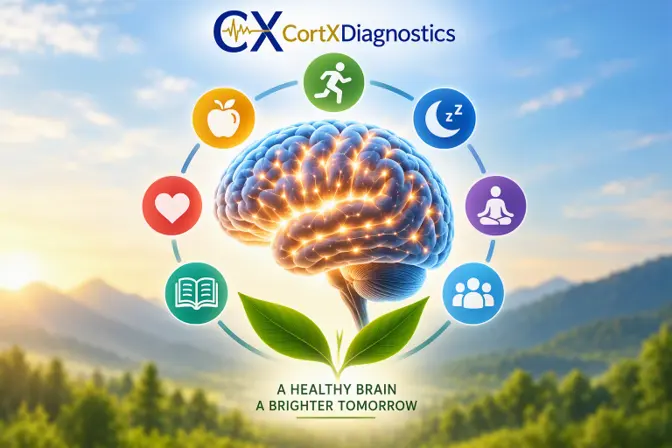
Brain Health Resource Center
Warning signs not to ignore, practical ways to protect brain health, and the neurological conditions we help evaluate.
Read the article: Brain Health Resource Center →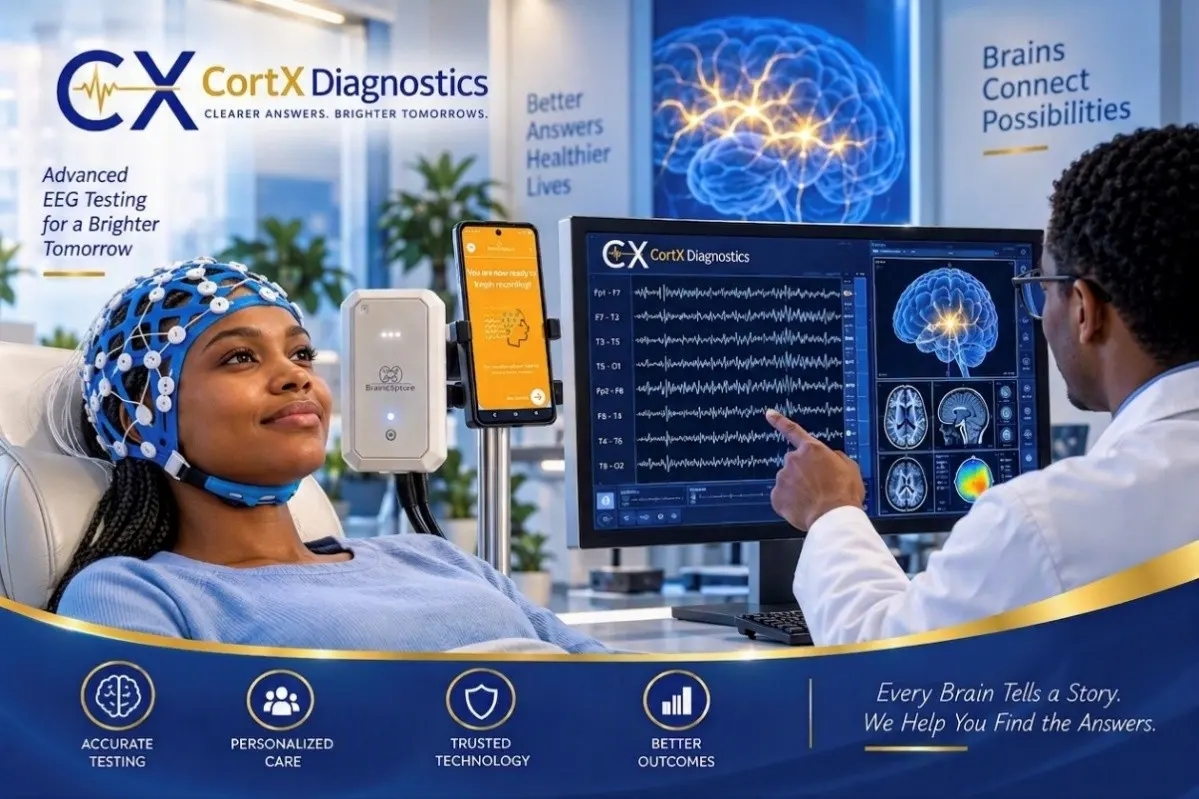
When Should I Consider an EEG?
Warning signs that warrant a medical review, and when an EEG may help find the cause.
Read the article: When Should I Consider an EEG? → Frequently Asked Questions
Answers to common questions about epilepsy and seizures. Understanding epilepsy can feel overwhelming, especially after a new diagnosis.
Epilepsy basics
Can stress cause epilepsy?
No. Stress does not cause epilepsy, but it can trigger seizures in some people who already have epilepsy. Learning stress management techniques may help reduce seizure triggers.
Is epilepsy hereditary?
Sometimes. Certain types of epilepsy are influenced by genetics, while others result from injuries, infections, strokes, or other medical conditions. Having a family member with epilepsy does not necessarily mean you will develop it.
Can I drive if I have epilepsy?
In many cases, yes. Driving regulations vary depending on local laws, seizure type, length of seizure freedom, and medical recommendations. Always follow the guidance of your healthcare provider and local licensing authority.
Is it safe to exercise?
For most people, absolutely. Regular exercise can help improve physical health, mood, sleep quality, and overall well-being. Speak with your healthcare provider about activities that are appropriate for your situation.
Can I play sports?
Many individuals with epilepsy successfully take part in sports and recreational activities. Certain activities may require additional supervision or safety precautions, particularly if seizures are not fully controlled.
Can epilepsy affect memory?
Some people may experience memory difficulties because of certain seizure types, frequent seizures, medication side effects, or underlying neurological conditions. Not everyone with epilepsy experiences memory problems.
What happens if I forget my medication?
Missing medication can increase the risk of seizures. Follow the instructions provided by your healthcare provider, contact them if you are unsure what to do, and do not double doses unless specifically advised.
Can lack of sleep cause a seizure?
Yes. Sleep deprivation is one of the most common seizure triggers for people with epilepsy. Maintaining healthy sleep habits is an important part of seizure management.
Treatment & outlook
Is epilepsy curable?
Some forms of epilepsy may resolve over time, while others require ongoing treatment. Many people achieve long-term seizure freedom, excellent seizure control, or a significant reduction in seizure frequency.
Can I have a normal life?
Yes. Many people living with epilepsy attend school and university, build careers, raise families, travel, play sports, and enjoy active social lives. With proper diagnosis and treatment, most people with epilepsy can lead fulfilling and productive lives.
When should I seek medical evaluation?
Consider seeking medical evaluation for a first-time seizure, unexplained blackouts, episodes of lost awareness, recurrent staring spells, unusual involuntary movements, or suspected seizures during sleep. Early evaluation may lead to earlier diagnosis and treatment.
Will I need medication forever?
Not necessarily. Some people remain on medication long-term, while others may eventually reduce or stop medication under specialist supervision.
Can surgery cure epilepsy?
For carefully selected patients, surgery may eliminate seizures or substantially reduce them.
If my EEG is normal, does that mean I am cured?
No. EEG results are only one part of the overall clinical picture. Your healthcare provider will consider symptoms, history, imaging, and EEG findings together.
Sleep & seizures
What is a nocturnal seizure?
A nocturnal seizure is a seizure that occurs during sleep. Many people are unaware they are having them until someone witnesses an event or symptoms are investigated.
What are signs of seizures during sleep?
Possible signs include tongue biting, waking confused, bed wetting, unexplained injuries, morning headaches, and excessive daytime sleepiness.
Why would my doctor order a sleep EEG?
Some seizure-related abnormalities are easier to detect during sleep than while awake.
What is a sleep-deprived EEG?
A sleep-deprived EEG records brain activity after reduced sleep, which may increase the likelihood of detecting abnormalities.
Can treating sleep problems improve seizure control?
In some patients, improving sleep quality may help reduce seizure frequency and support overall neurological health.
Coma, critical illness & silent seizures
Why would someone in a coma need an EEG?
When a patient cannot communicate, an EEG helps doctors understand what is happening in the brain and detect problems that would otherwise be invisible.
Can a person have seizures while unconscious?
Yes. Some critically ill patients experience seizures without obvious physical signs. These are often only detected through EEG monitoring.
Is EEG monitoring painful?
No. EEG monitoring is painless and non-invasive. The electrodes simply record brain activity.
How long does critical-care EEG monitoring last?
Monitoring may last several hours or several days, depending on the clinical situation.
What is a silent seizure?
A silent seizure produces little or no visible physical symptoms. The abnormal electrical activity occurs in the brain but may only be detectable through EEG. A person may appear awake but be confused, unable to respond appropriately, or unaware of what is happening.
Are silent seizures dangerous?
They can be. If prolonged or untreated, seizure activity may interfere with brain function and recovery. EEG monitoring is often the most effective way to detect them.
Can silent seizures occur in people without epilepsy?
Yes. Silent seizures may occur in critically ill patients who have never previously been diagnosed with epilepsy. Critical illness, stroke, brain injury, infection, and cardiac arrest may increase the risk.
Brain health
What are some warning signs that I should see a neurologist?
Seek medical evaluation for unexplained blackouts, repeated confusion, new seizure-like episodes, sudden memory problems, unexplained weakness, or loss of consciousness.
Can lifestyle choices affect brain health?
Yes. Regular exercise, good sleep, healthy blood pressure, diabetes management, and avoiding smoking all support brain health.
Is occasional forgetfulness normal?
Mild forgetfulness can occur with aging, stress, and lack of sleep. Persistent or worsening memory problems should be evaluated.
Can brain injuries increase seizure risk?
Yes. Some seizures occur after traumatic brain injury, stroke, or other neurological injuries.
Still have questions?
Epilepsy affects every individual differently. If you have concerns about seizures, epilepsy, or unexplained neurological events, speaking with a qualified healthcare provider is the best place to start. You can contact CortX Diagnostics or one of our partners.
Health Information Disclaimer
The information provided by CortX Diagnostics is for general educational and informational purposes only. It is not a substitute for professional medical advice, diagnosis, treatment, or individualized clinical assessment. It is designed to support general awareness and understanding of epilepsy, seizures and EEG testing.
The information presented on this website, including information concerning medical conditions, symptoms, treatments, medications, neurological conditions, seizures, critically ill patients, and other health-related subjects, is not intended to replace professional medical advice, diagnosis, treatment, or individualized clinical assessment.
Health information, research, and statistics may change over time and may not apply to every individual. Always consult an appropriately qualified healthcare professional regarding your specific health or care needs.
In an emergency, contact your local emergency medical service immediately.
Scope of educational materials
Educational materials on this website do not authorize caregivers, health care aides, students, or other individuals to diagnose, treat, or perform procedures outside their training, authorization, or legal scope of practice.
Accuracy and updates
CortX Diagnostics may revise, update, add, or remove website content as information, research, professional standards, and clinical guidance evolve. We encourage readers and healthcare workers to verify important clinical information against current professional guidelines and to seek advice from an appropriately qualified healthcare professional when making decisions concerning patient or client care.
Acceptance of this disclaimer
By using this website, you acknowledge that the information provided is intended primarily for educational and general informational purposes and that you are responsible for seeking appropriate professional advice for your individual circumstances.
CortX Diagnostics is committed to providing evidence-informed educational resources that support safe, compassionate, and informed care.