
What Causes Epilepsy?
Explore structural, genetic, metabolic, autoimmune, infectious, and unknown causes of epilepsy.
Epilepsy is not a single disease. It can result from many different underlying causes. In some people, no specific cause is ever identified.
The main categories include:
Structural Causes
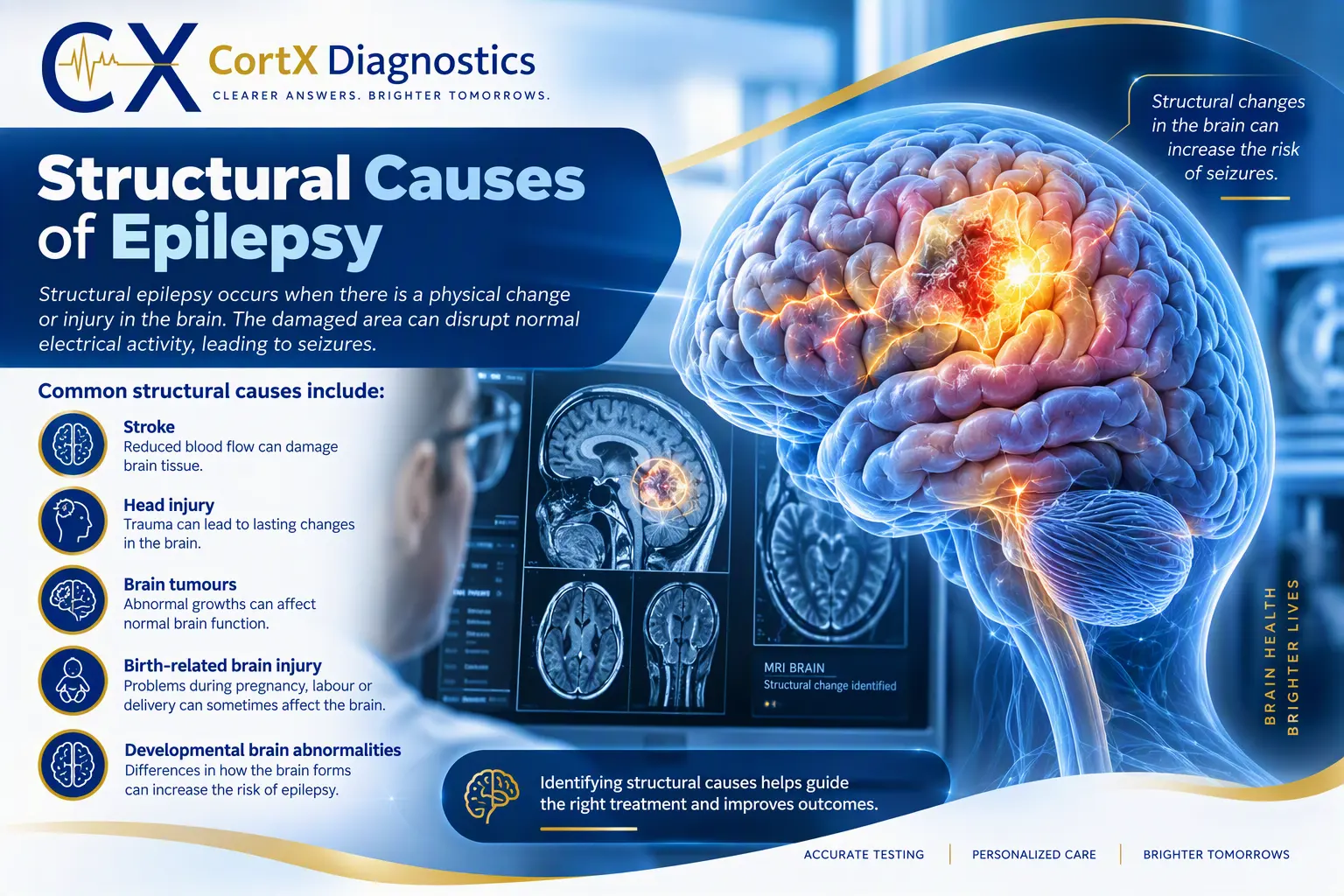
Changes in the structure of the brain that may occur because of:
- Stroke
- Head injury
- Brain tumors
- Birth-related brain injuries
- Developmental brain abnormalities
The damaged area of the brain may create abnormal electrical signals, increasing the risk of seizures.
Why it matters: Identifying a structural cause often helps doctors choose the most effective treatment and better predict seizure outcomes.
Genetic Causes
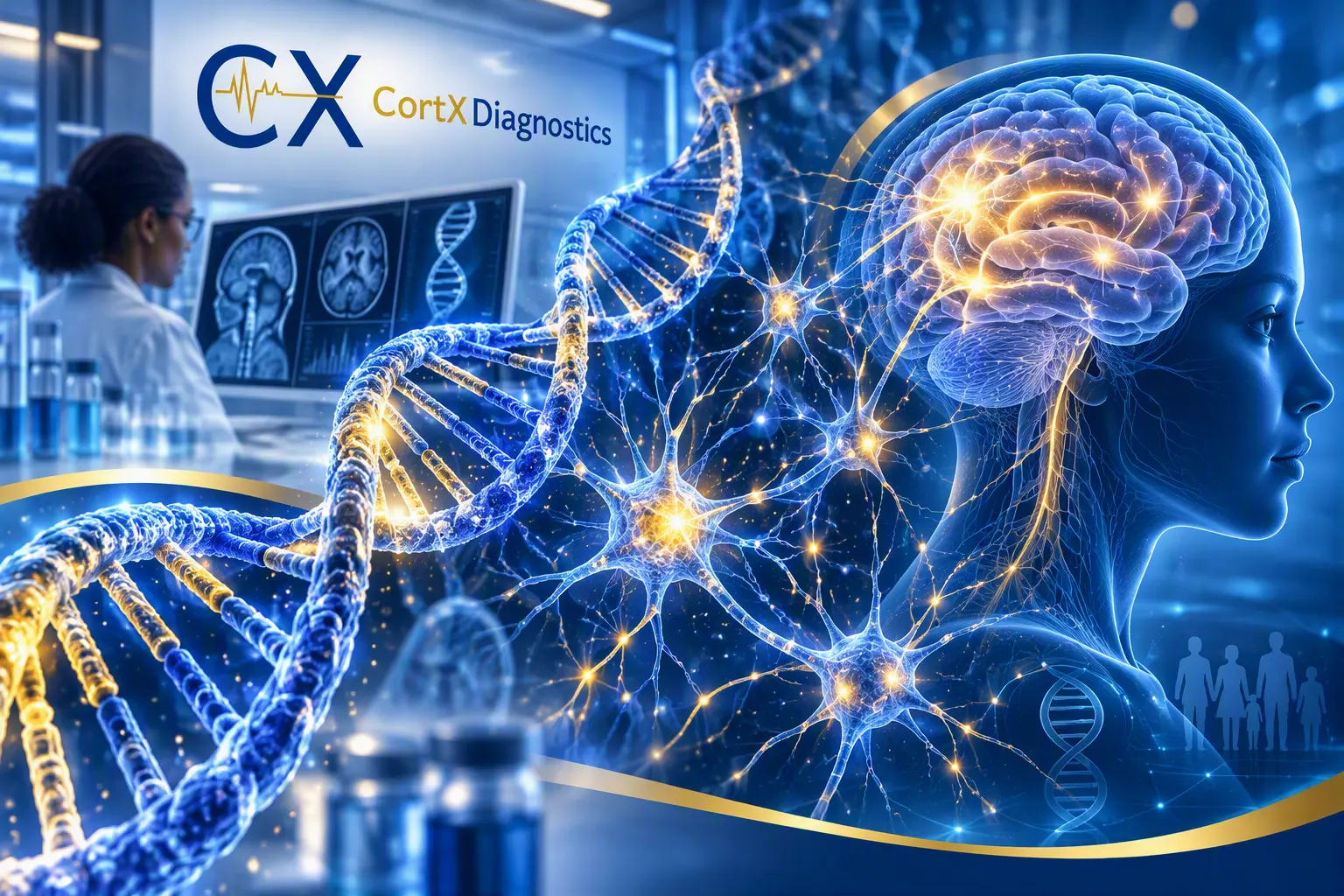
Some forms of epilepsy are linked to genetic changes that affect how brain cells communicate. A person may or may not have a family history of seizures.
Some types of epilepsy are related to genetic changes that affect how brain cells communicate. This does not always mean epilepsy is inherited from a parent. Sometimes genetic changes occur spontaneously.
Genetic epilepsy does not always run in families, and many people with genetic epilepsy have no family history of seizures. Having a genetic epilepsy does not mean someone cannot live a normal life.
Metabolic Causes
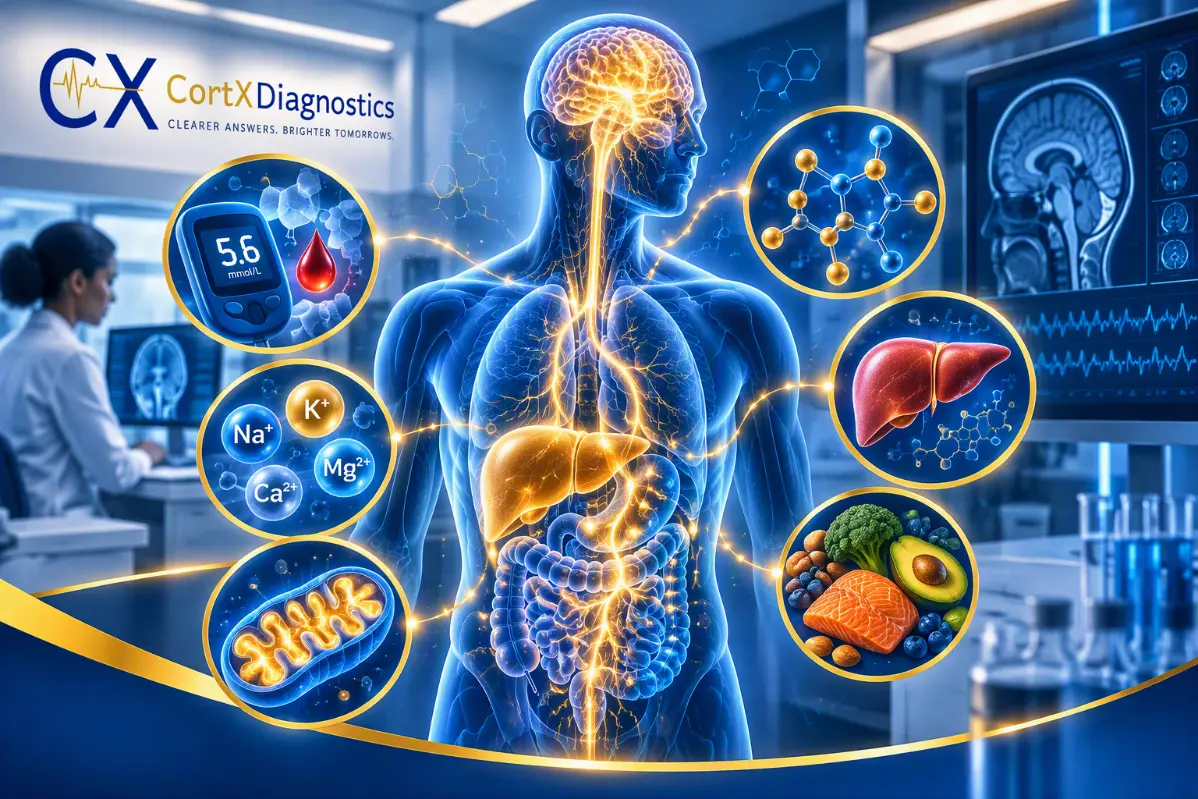
Metabolic epilepsy is associated with problems affecting how the body processes energy and nutrients, including:
- Low blood sugar
- Electrolyte imbalances
- Certain inherited metabolic disorders
Autoimmune Causes
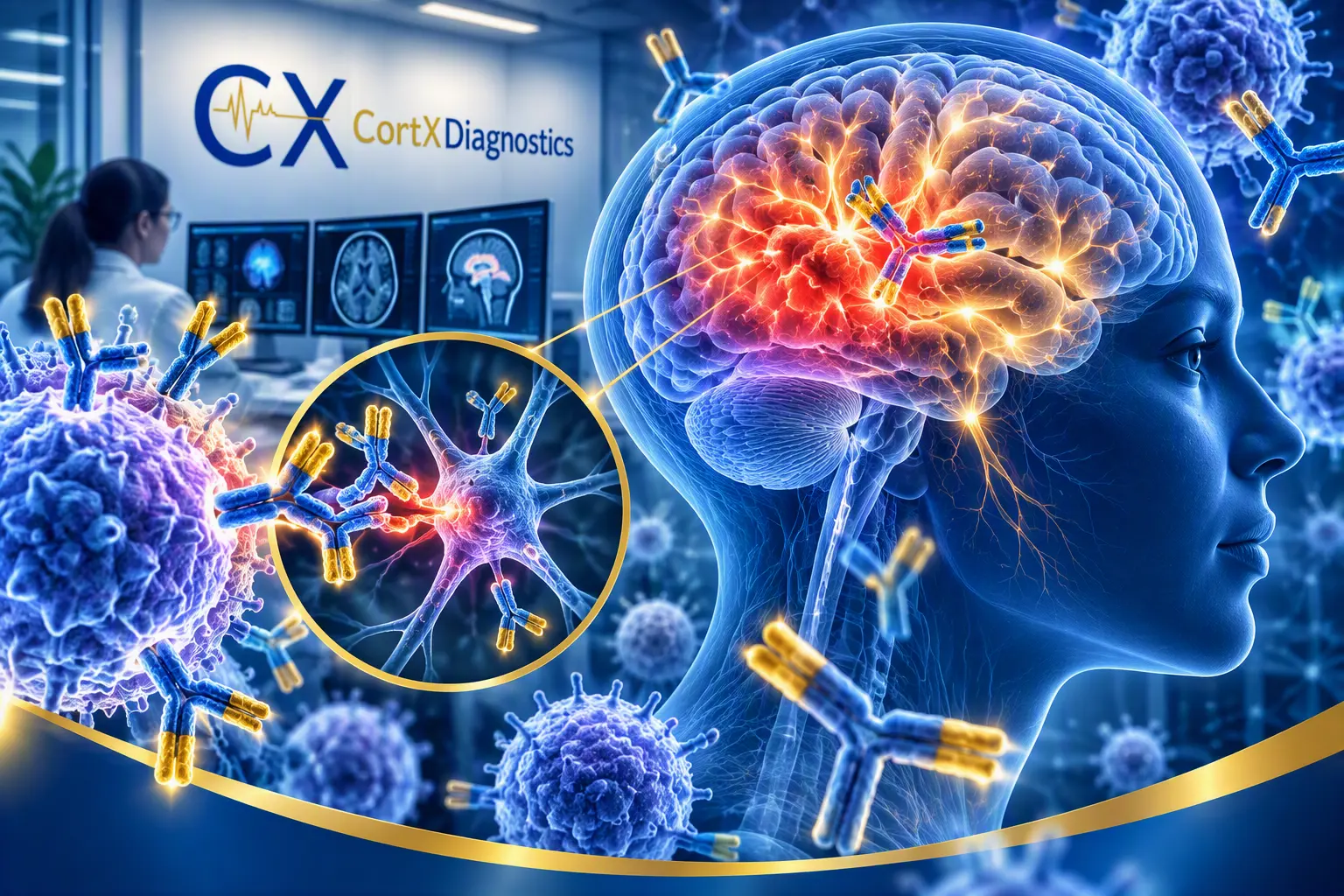
In some cases, the body's immune system mistakenly attacks healthy brain tissue, causing inflammation that can lead to seizures. This inflammation can cause seizures and may require treatments directed at the immune system. Early diagnosis is important because symptoms can develop quickly and many patients can improve when appropriate therapy is started promptly.
Infectious Causes
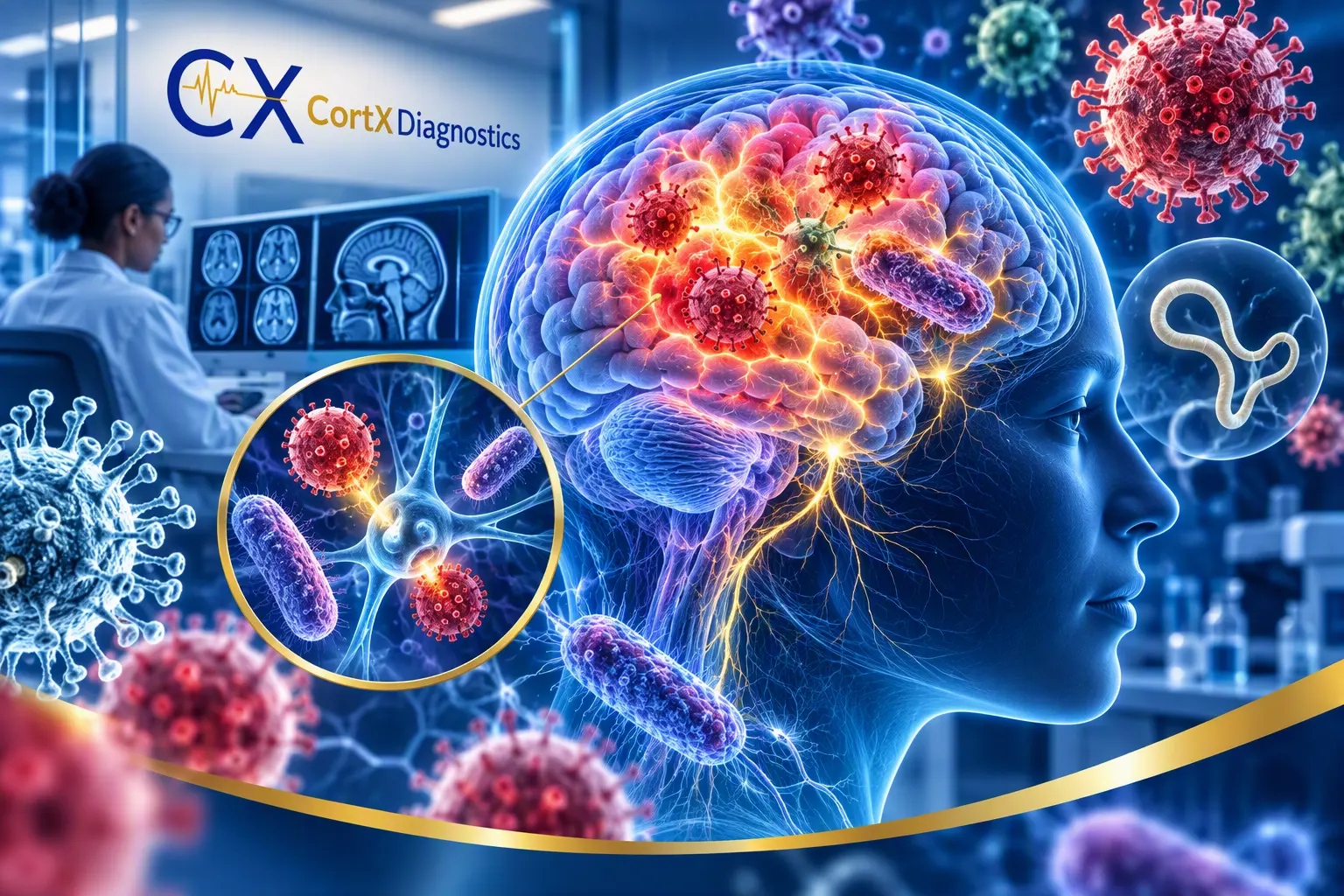
Certain infections affecting the brain can cause epilepsy, including:
- Meningitis
- Encephalitis
- Neurocysticercosis
- Other serious brain infections
The infection may trigger seizures during the illness or leave permanent changes that increase the likelihood of epilepsy later in life.
Unknown Causes

Despite advanced medical testing, doctors are not always able to identify a specific cause of epilepsy. This is often called epilepsy of unknown cause.
Although the cause remains uncertain, treatment can still be very effective, and many patients achieve excellent seizure control.
Researchers continue to improve understanding of epilepsy through genetics, imaging, and advanced diagnostic testing.
Why Identifying the Cause Matters
Understanding the cause of epilepsy helps doctors:
- Choose the most appropriate tests
- Recommend the best treatment options
- Estimate future seizure risk
- Provide more personalized care
References
- World Health Organization (WHO). Epilepsy Fact Sheet.
- International League Against Epilepsy (ILAE). Classification of the Epilepsies.
- Centers for Disease Control and Prevention (CDC). Epilepsy Basics.
Important: this article is general information only. It does not replace advice from a qualified healthcare professional. In an emergency, contact your local emergency medical service immediately.