
The Connection Between Sleep and Seizures
The Important Connection Between Sleep and the Brain
Sleep and epilepsy are closely connected.
Sleep affects brain activity, and poor sleep can increase the likelihood of seizures for some individuals.
For many people living with epilepsy, maintaining healthy sleep habits is an important part of seizure management.
Can Lack of Sleep Trigger Seizures?
Yes.
Sleep deprivation is one of the most commonly reported seizure triggers.
Missing sleep may lower the brain's seizure threshold, making seizures more likely to occur.
What Are Nocturnal Seizures?
Nocturnal seizures occur during sleep.
Some people may not realize they are having seizures because they happen overnight.
Possible signs include:
- Waking confused
- Tongue biting
- Unexplained injuries
- Bed wetting
- Headaches upon waking
- Excessive daytime tiredness
Sleep Disorders and Epilepsy
Sleep disorders may worsen seizure control in some patients.
Examples include:
- Sleep apnea
- Insomnia
- Disrupted sleep patterns
- Shift work-related sleep disruption
Treating sleep disorders may improve overall neurological health.
Why Sleep EEG Testing Is Helpful
Certain EEG abnormalities appear more readily during sleep.
Healthcare providers may recommend:
Sleep EEG
Records brain activity while sleeping.
Sleep-Deprived EEG
Uses limited sleep to increase the likelihood of identifying abnormal EEG activity.
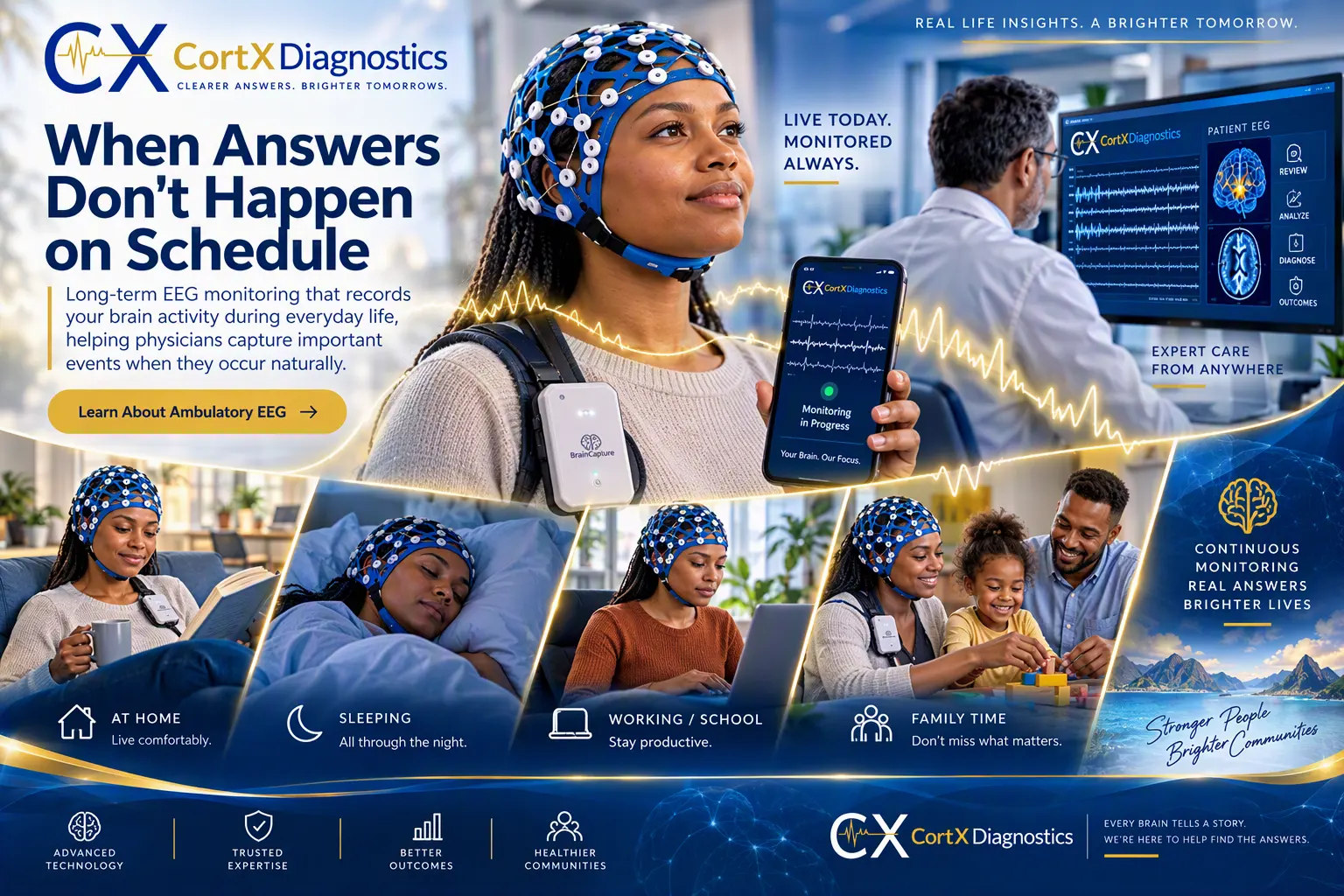
Ambulatory EEG
Allows prolonged monitoring during normal sleep at home.
Tips for Better Sleep
- Maintain a regular sleep schedule
- Minimize caffeine late in the day
- Limit screen time before bed
- Create a relaxing bedtime routine
- Take medications as prescribed
- Discuss sleep concerns with your healthcare provider
How EEG Helps Evaluate Sleep-Related Seizures
EEG monitoring can help distinguish between:
- Nocturnal seizures
- Sleep disorders
- Parasomnias
- Other nighttime neurological events
Accurate diagnosis is essential because treatments differ significantly.
Important: this article is general information only. It does not replace advice from a qualified healthcare professional. In an emergency, contact your local emergency medical service immediately.