
EEG Preparation Checklist
How to Prepare for Your EEG Test
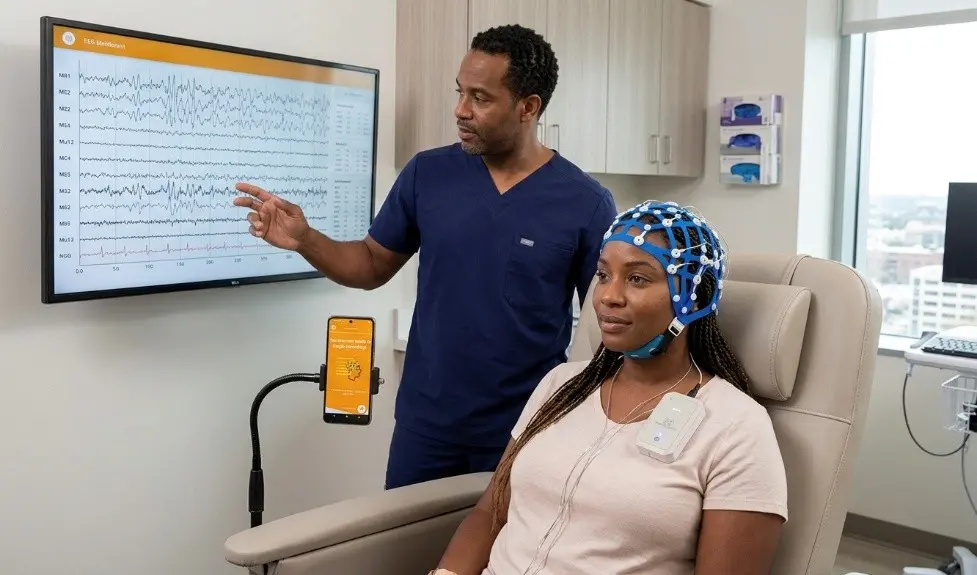
A little preparation can help ensure the best possible recording.
Before Your Appointment
- Wash your hair the night before or the morning of your test.
- Arrive with clean, dry hair.
- Avoid hair oils, gels, sprays, conditioners, or styling products.
- Continue taking medications unless instructed otherwise by your healthcare provider.
- Bring a list of your medications.
- Eat normally unless you have received special instructions.
- Arrive on time for your appointment.
If You Are Scheduled for a Sleep or Sleep-Deprived EEG
You may be asked to:
- Reduce your sleep the night before testing.
- Wake up earlier than usual.
- Avoid caffeine before the study.
Always follow the specific instructions provided by your healthcare provider.
What to Bring
- Government-issued identification
- Insurance information (if applicable)
- Medication list
- Referral forms (if applicable)
- Previous EEG or imaging reports if requested
During the Test
The EEG is:
- Safe
- Non-invasive
- Painless
- Performed without needles
- Performed without electrical stimulation
The electrodes simply record your brain's natural electrical activity.
After the Test
- You may usually return to normal activities immediately.
- Hair may feel slightly sticky from electrode paste.
- Your EEG will be reviewed by a specialist and shared with your healthcare provider.
Frequently Asked Questions About EEG
Will I feel electricity?
No. EEG records electrical activity from the brain but does not send electricity into the body.
Can I drive afterward?
Most patients can resume normal activities immediately following a routine EEG.
How long will the test take?
- Routine EEG: 20-60 minutes
- Sleep EEG: Variable
- Ambulatory EEG: 24-72 hours or more
- Long-term monitoring: Several days if necessary
What if I do not have a seizure during the EEG?
Important information can still be obtained even if no seizure occurs during the recording.
Important: this article is general information only. It does not replace advice from a qualified healthcare professional. In an emergency, contact your local emergency medical service immediately.